Issuing a Refund
You can issue a refund for a transaction that has already been settled.
Note: If you are issuing a refund for a transaction that included a surcharge, see Refunding a Surcharged Credit Card Payment.
To issue a refund:
-
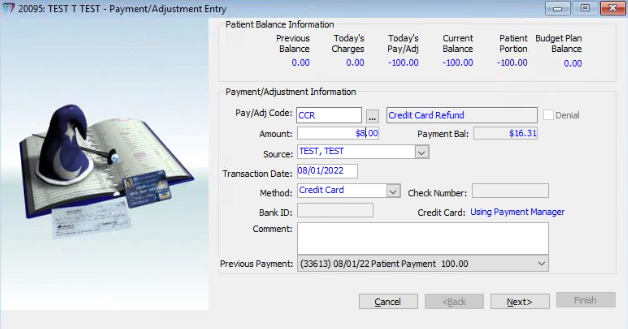
In a patient's record, select the Payment
 icon and the code for Credit Card. The Payment/Adjustment Entry window is displayed.
-
In the Previous Payment field, select the payment.
Note: You cannot refund more than the dollar amount of the original payment.
-
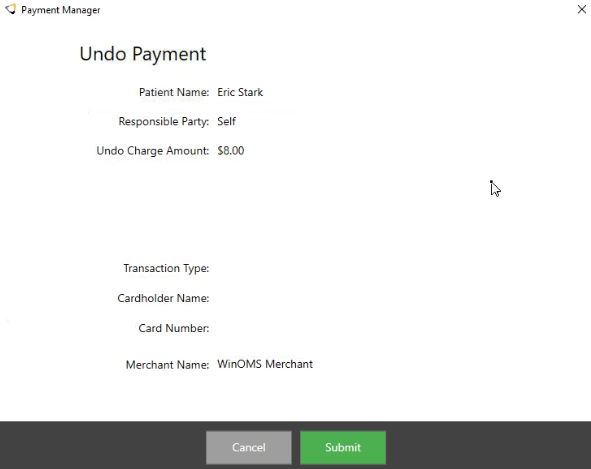
Click Next. The Undo Payment window is displayed.
-
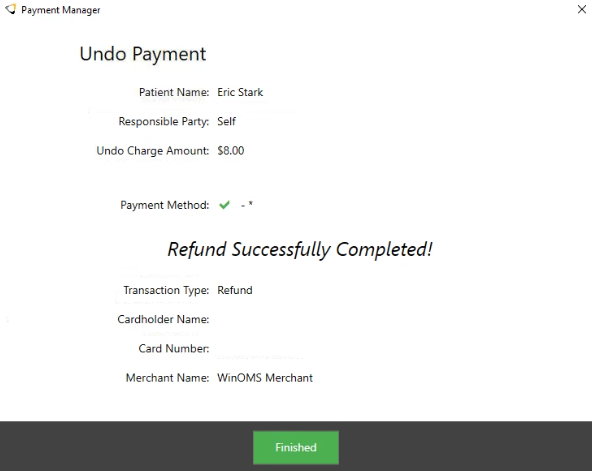
Click Submit. The Refund Successfully Completed window is displayed.
-
Click Finished. A message asks if you want to print a receipt.
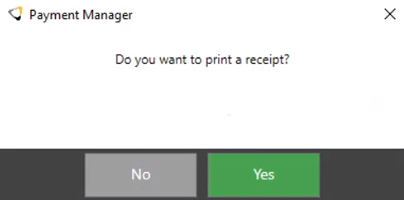
Note: The Print Receipt option can be disabled in the Payment Manager configurations.
-
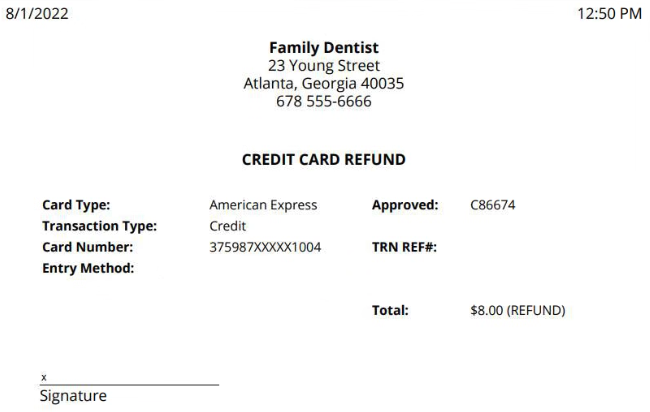
Click Yes. The receipt is displayed. The receipt can be saved, printed, or emailed as a PDF file.
Note:
-- When refunding credit card-based payments, the refund is automatically issued to the credit card.
-- Transactions that are completed with a debit card cannot be refunded if the card is not present. Refunds for debit card transactions will need to be returned by either issuing a check or waiting until the patient returns to the office with the debit card they used.
Refunding a Surcharged Credit Card Payment
IMPORTANT: When you issue a refund for a credit card transaction that originally included a surcharge, you must follow these rules stay compliant with card brand requirements.
-
The Surcharge Must be Refunded With the Transaction
Credit card networks require that whenever you refund a credit card payment, whether it is a full or partial refund, you must also refund the surcharge that was charged on the original transaction. -
Full Refunds Must Include the Full Surcharge
If you refund the entire payment, the full surcharge amount must be returned to the cardholder as well. Merchants cannot keep the surcharge when issuing a refund. -
Partial Refunds Must Include a Proportional Surcharge Refund
If you are refunding only part of the original transaction, then you must also return the same percentage of the surcharge. For example, if half the transaction is being refunded, half the surcharge must also be refunded. -
Voids Must Reverse the Surcharge Entirely
If the transaction is voided before it settles, the surcharge must also be voided as though the transaction never occurred. The Payment Manager system will ensure this is the case.